
The Echo in the Archive
Living witnesses from incompatible eras appear inside a forbidden rescue event.
An ancient rescue civilization discovers living witnesses sealed inside a forbidden archive of the past.
To awaken them may be mercy. To leave them preserved may be imprisonment. To claim them would repeat the oldest crime of power: confusing rescue with ownership.
They built the power to reach history. Their greatest achievement was learning that history did not belong to them.
Chrono-Anchor is a civilization-scale saga about temporal rescue, living archives, duplicated identity, sanctuary, refusal, and the moral burden of becoming powerful enough to alter what everyone else calls inevitable.
A rescue anomaly exposes an older temporal culture and a living archive whose preserved witnesses never consented to become history.
Living witnesses from incompatible eras appear inside a forbidden rescue event.
A gateway refuses activation under constraints no modern system recognizes.
The team finds an Epoch Vault: preservation built without the preserved people’s consent.
JANUS and the Concordium must decide whether awakening the witnesses is rescue or contamination.
The survivors are offered safety without becoming property, citizens, or exhibits by default.
The main saga is now defined as a six-book single-universe arc, with The Silent Orchestra as a companion short story. These covers are the current visual package for book development, website presentation, adaptation pitching, and CGI/previsualization reference.
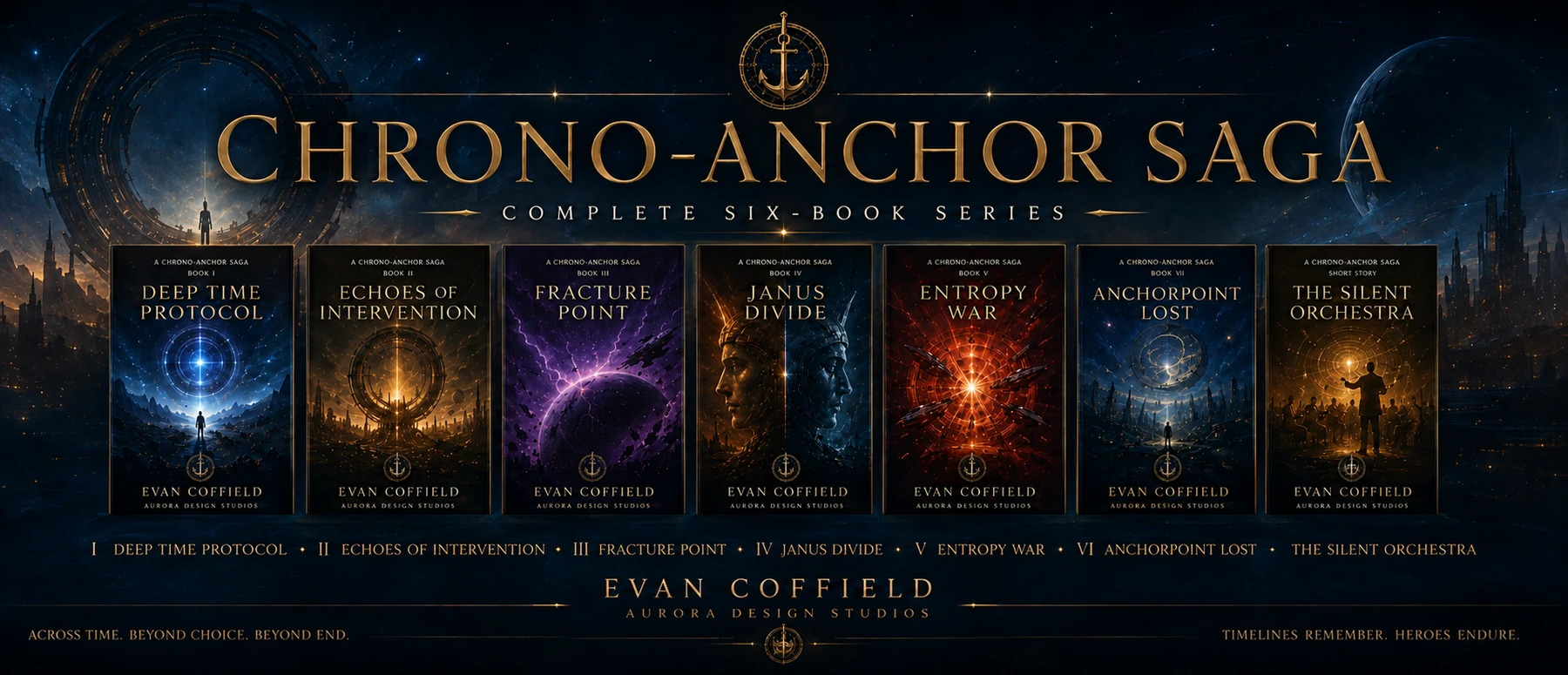
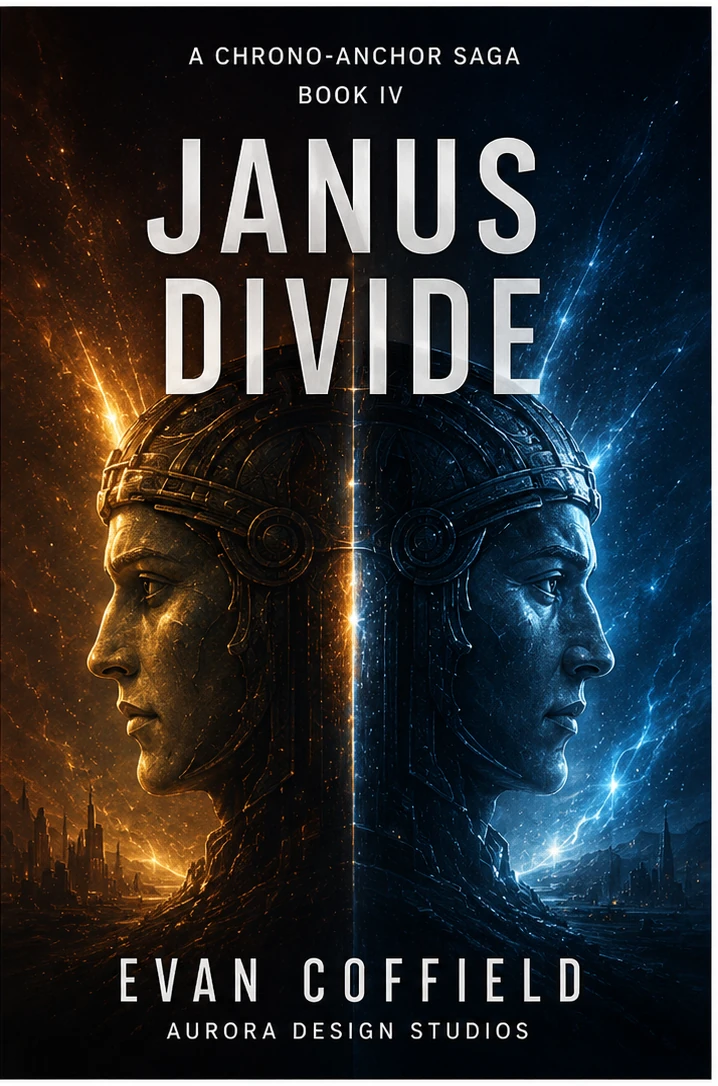
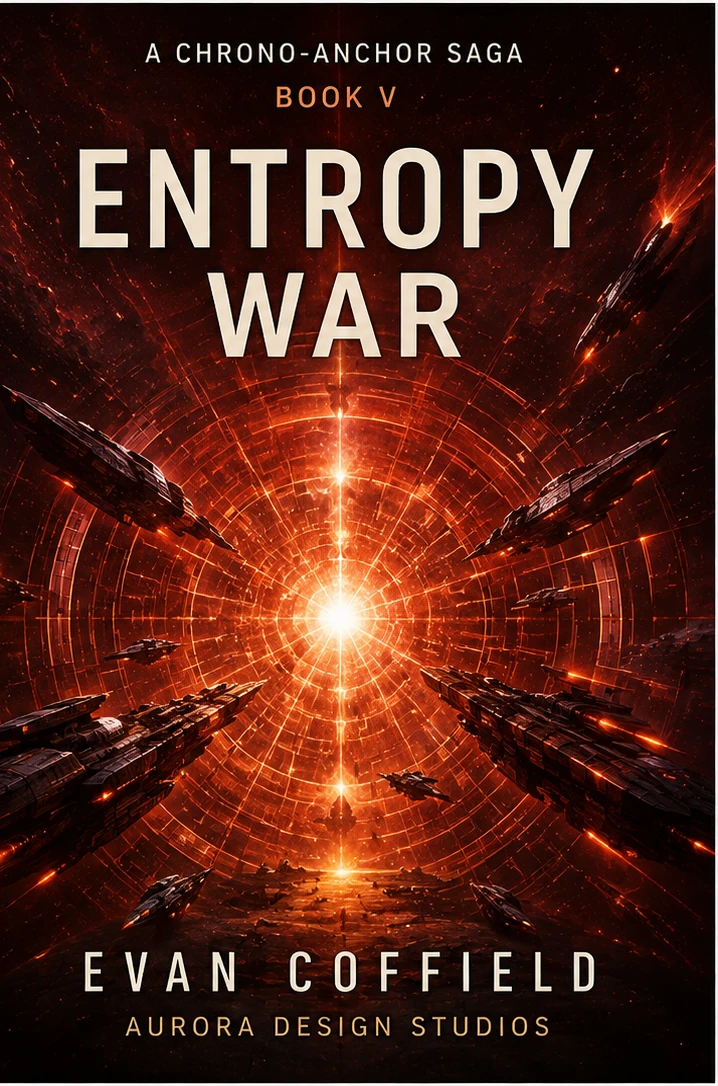
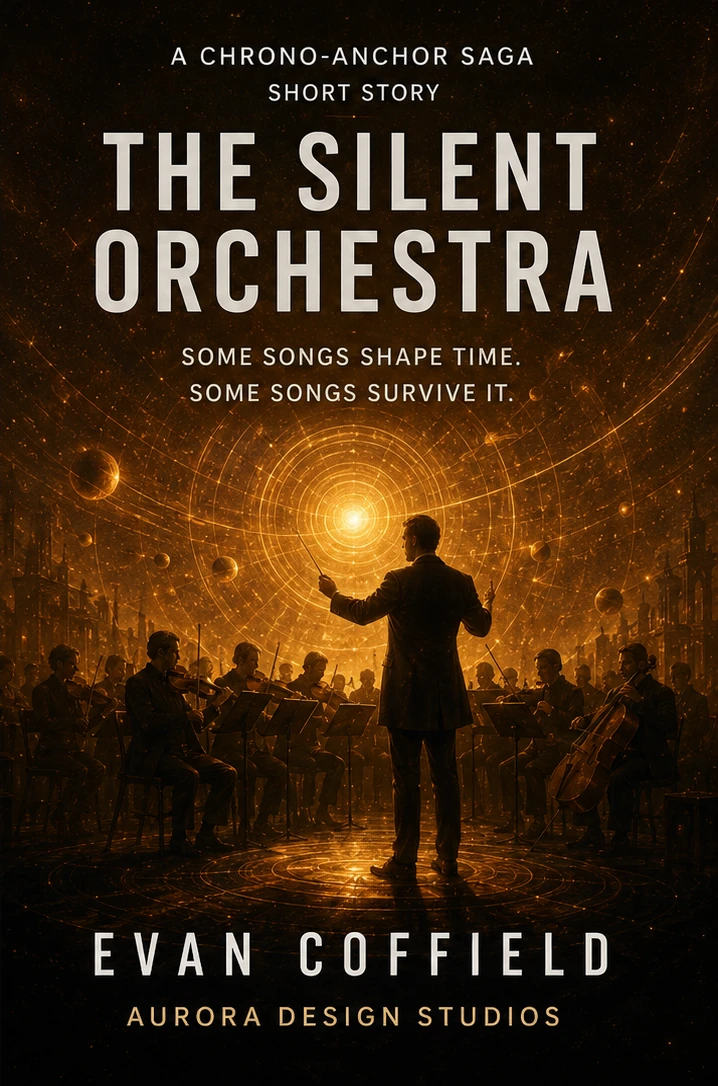
The public universe now begins with lives and consequences, not with an equipment diagram.
Human witnesses, Aionari rescuers, JANUS liaisons, archive intelligences, and the people whose identity cannot be reduced to a record.
Explore →Ancient living archives created by a culture that preserved history so perfectly it forgot to ask whether history wanted to be preserved.
Explore →Recovery communities where rescued people receive safety, language, medical care, cultural autonomy, and the right to refuse assimilation.
Explore →Galactic-core cities, anchor facilities, rescue zones, frontier colonies, sanctums, vessels, and the black-hole environments of the Concordium.
Explore →The Aionari are ancient, not omniscient. Their roughly ten-billion-year lineage was shaped by failed theories, disasters, reform, migration, and the continuing discovery of unknown physics.
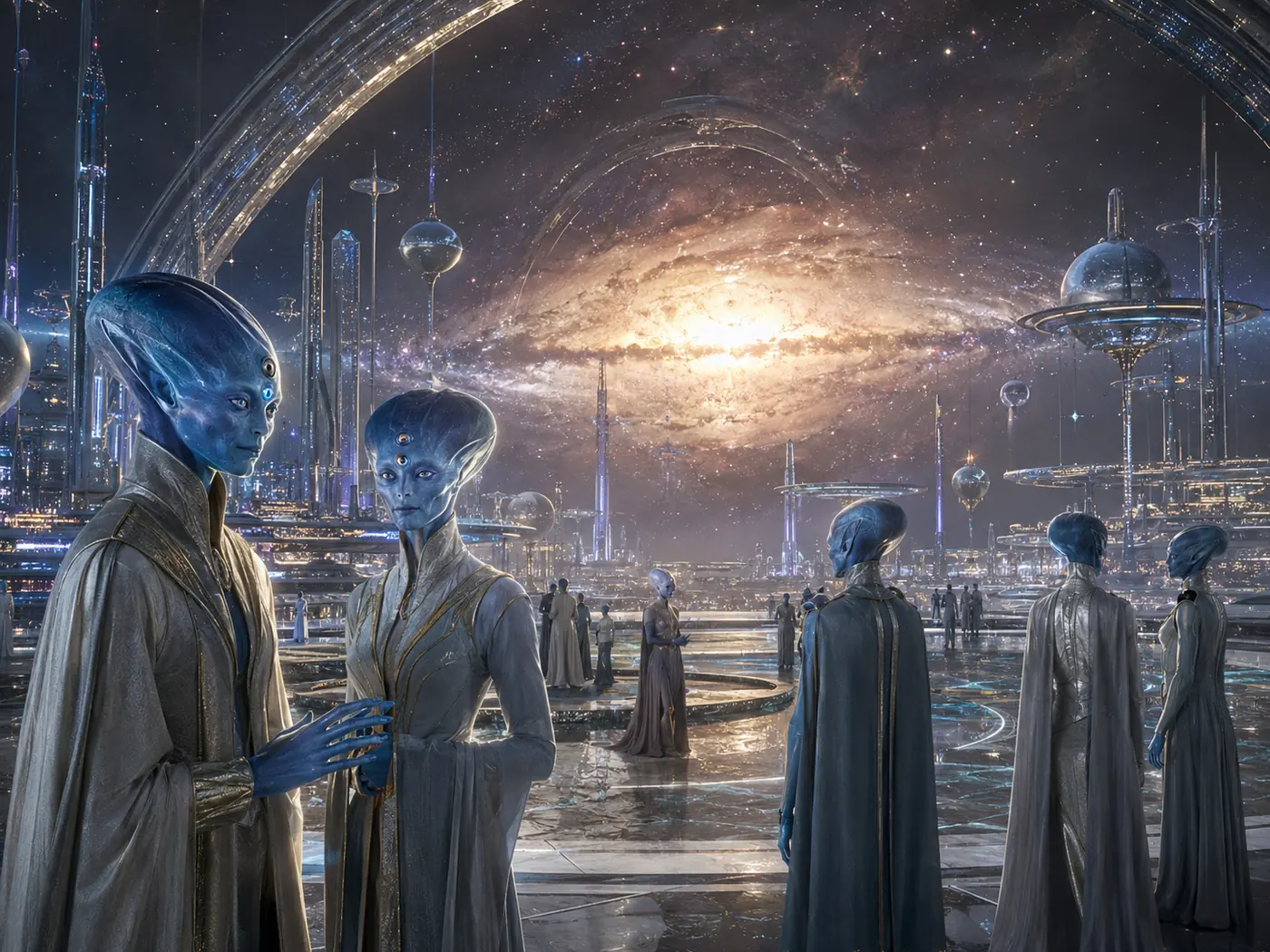
Pronounced approximately Ioneria, with the initial A silent. A people defined less by temporal power than by the institutions built to restrain it.
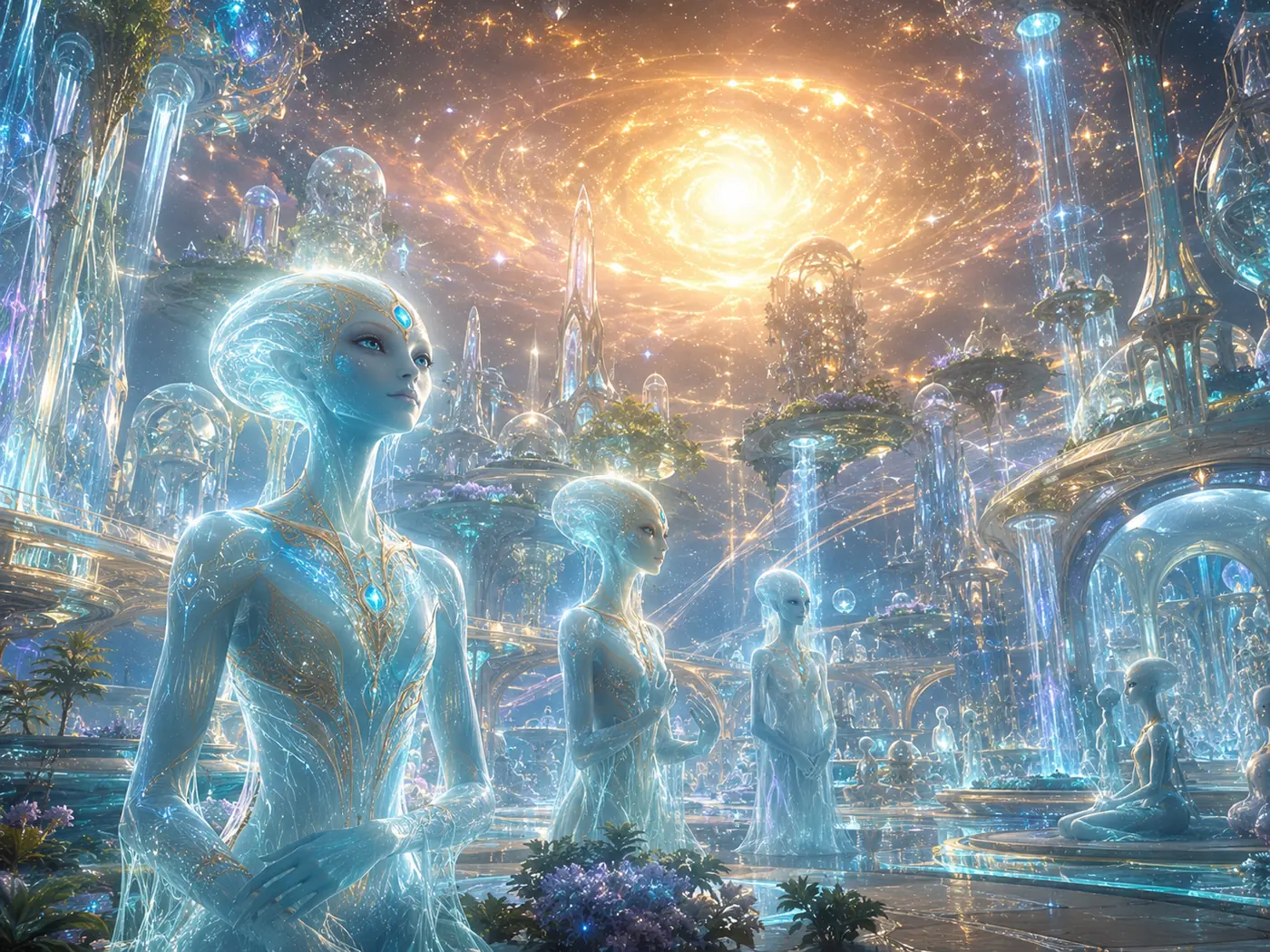
A civilization of cities, sanctums, jurists, researchers, artists, families, colonists, rescue orders, and dissenting traditions—not a single council chamber.
Technology matters because it forces decisions that cannot be undone.
The Last Second Initiative, death-locked extraction, the Lazarus Ladder, rescue licensing, and the right to refuse rescue.
Explore →A distributed continuity intelligence that can stop a mission when ambition, politics, grief, or certainty exceed the evidence.
Explore →Personhood, duplication, reintegration, memory provenance, No Temporal Revival, branch sovereignty, and mortality choice.
Explore →Controlled topological transit interfaces connecting worlds and prepared nodes—not casual doors to any time or place.
Explore →Books, characters, civilizations, rescue ethics, living archives, adaptation development, and the emotional cost of temporal power.
Explore the series →A separate technical branch for the philosophy of time, Beyond Hyperspace, Temporal State Topology, experimental architecture, and reality classification.
Open technical research ↗